


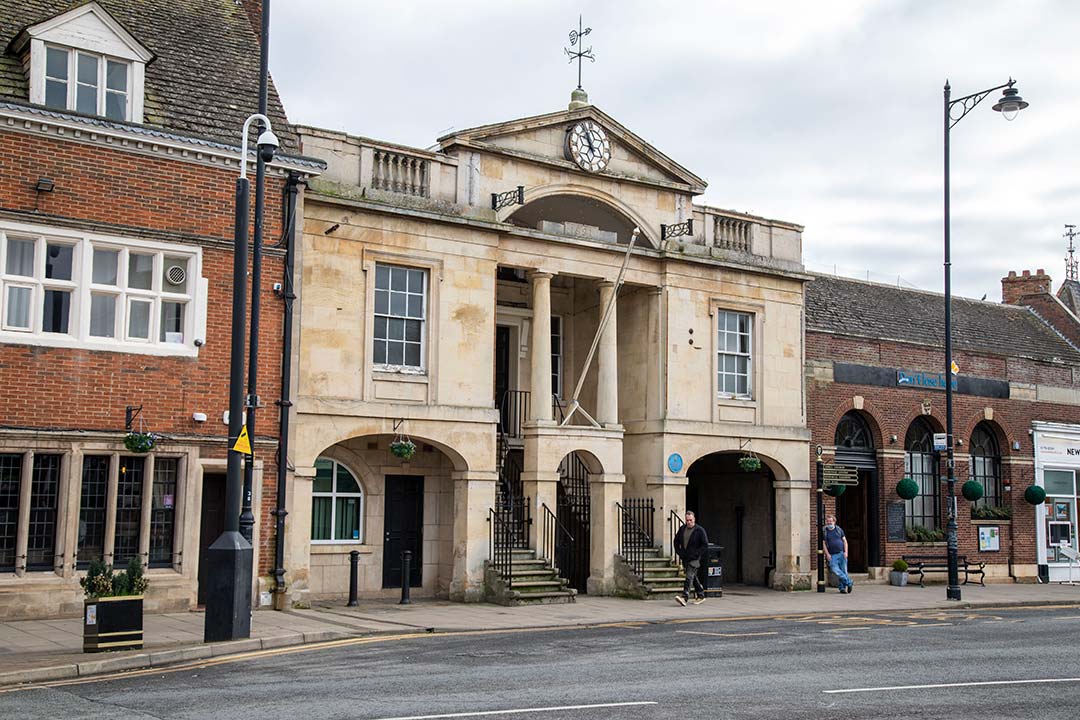






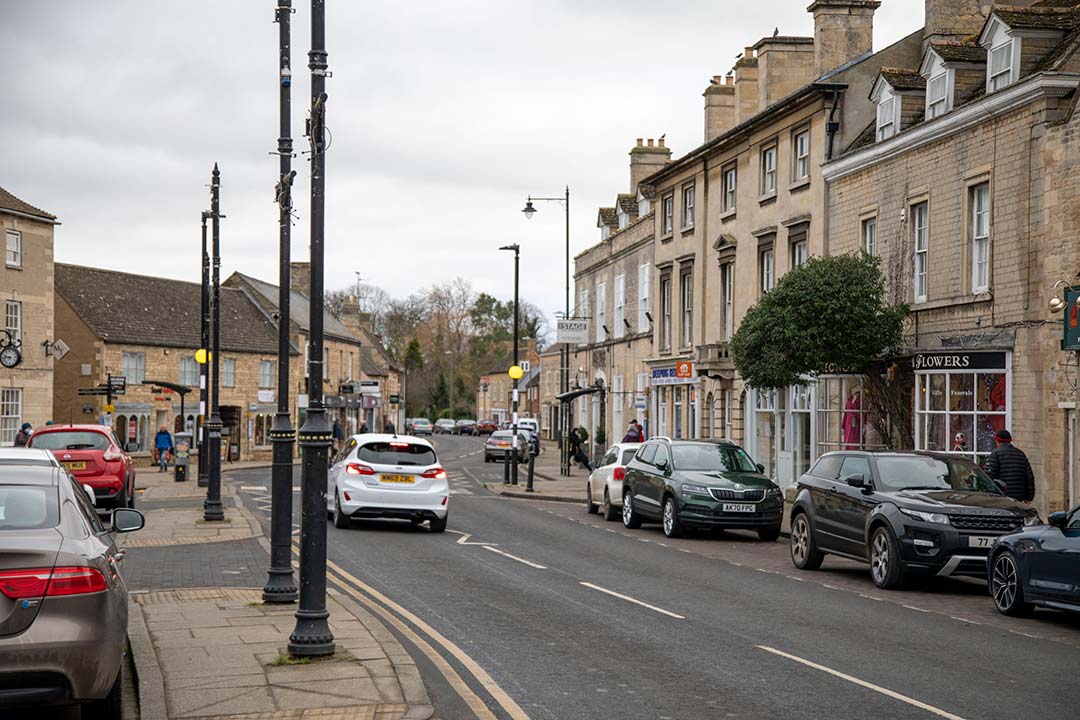





















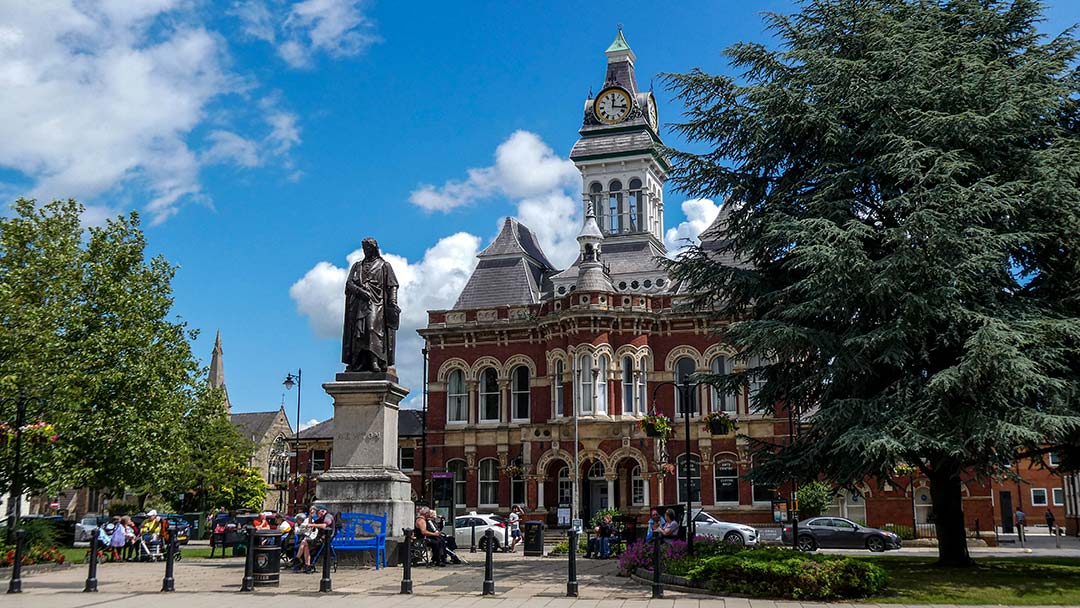









Between May 2020 and March 2024 transformation was afoot in Grantham. The town’s High Street Heritage Action Zone Programme, funded by Historic England and South Kesteven District Council, was busy restoring and reinstating the historic features of shopfronts across the town centre.
One of the shops which received a makeover funded through the scheme was 22-23 Market Place. As part of the process, research was undertaken into the building which highlighted its links to two Grantham born entrepreneurs, a cricketing legend, and a gold medal winning Olympian.
The Businessman
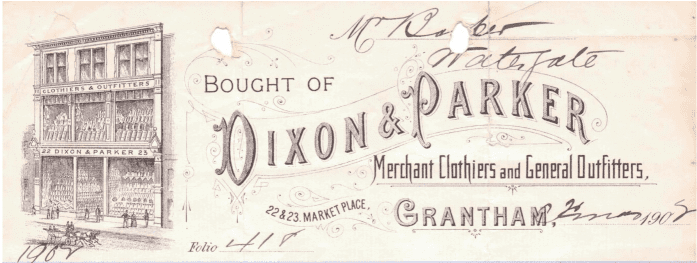
Dixon and Parker Outfitters was founded by two Grantham born businessmen William Dixon and Thomas Parker. The success of their tailors and outfitters soon saw their shops becoming a fixture of town centers across the country, including 22-23 Market Place, Grantham.
In September 1889, Dixon and Parker advertised a ‘Monster Sale’ of their stock, to prepare for a considerable rebuild of the shop. This resulted in the creation of the stunning two-story shopfront which remains today.
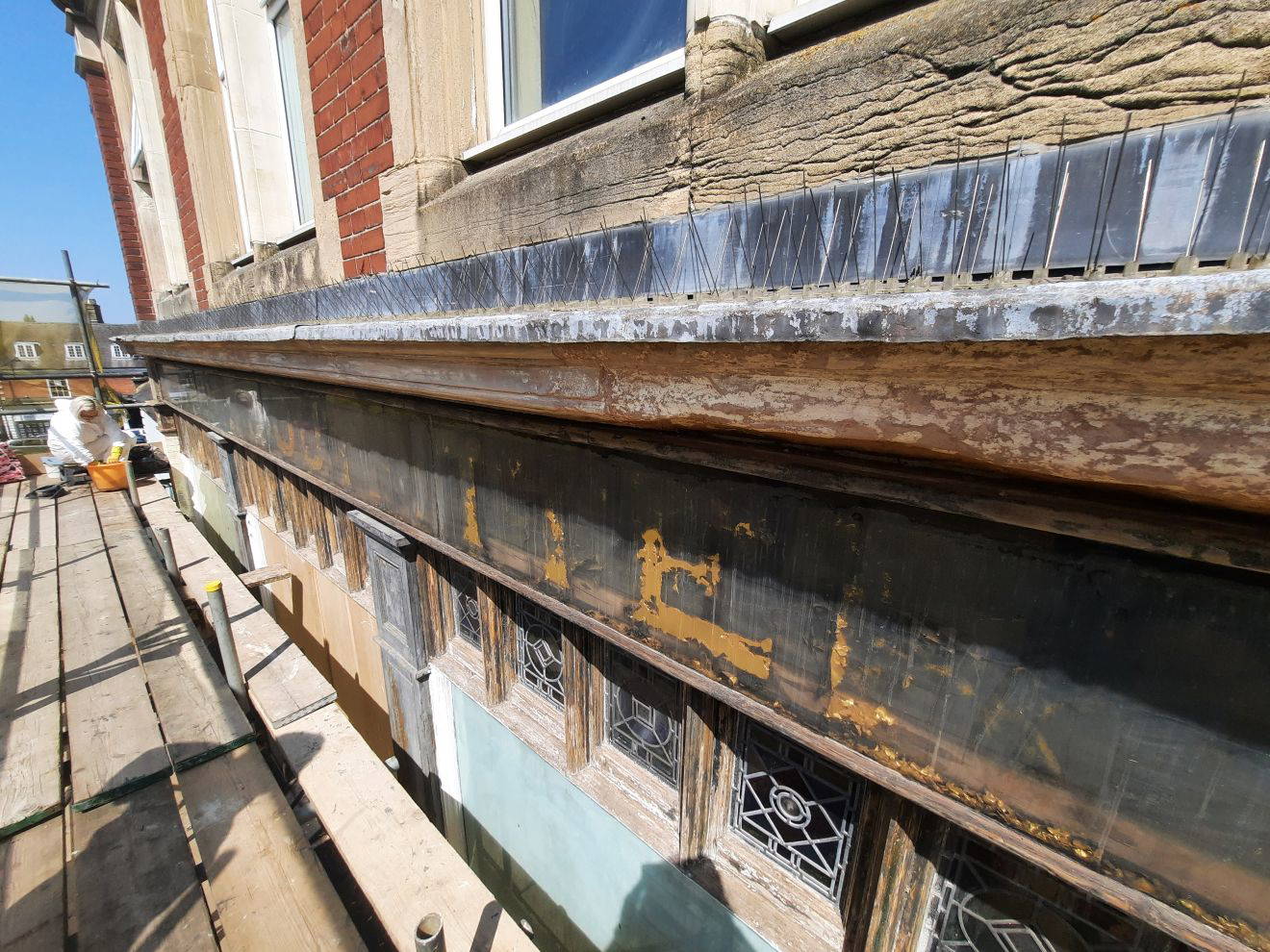
Signage discovered during restoration
To facilitate the two stories of glazing, and the open and airy shop, the new shopfront was hung off a cast iron frame, which became an integral part of the shopfront itself.
During restoration work carried out as part of the Grantham High Street Heritage Action Zone programme, tantalizing glimpses of the original gold shop signage reading ‘Clothiers and Outfitters’ were uncovered, recorded and protected.
The same year William was celebrating business successes with new shopfronts, his son John was making his own mark – stepping out as captain of Nottingham County Cricket Club for what would be a Championship winning season.
The Cricketer
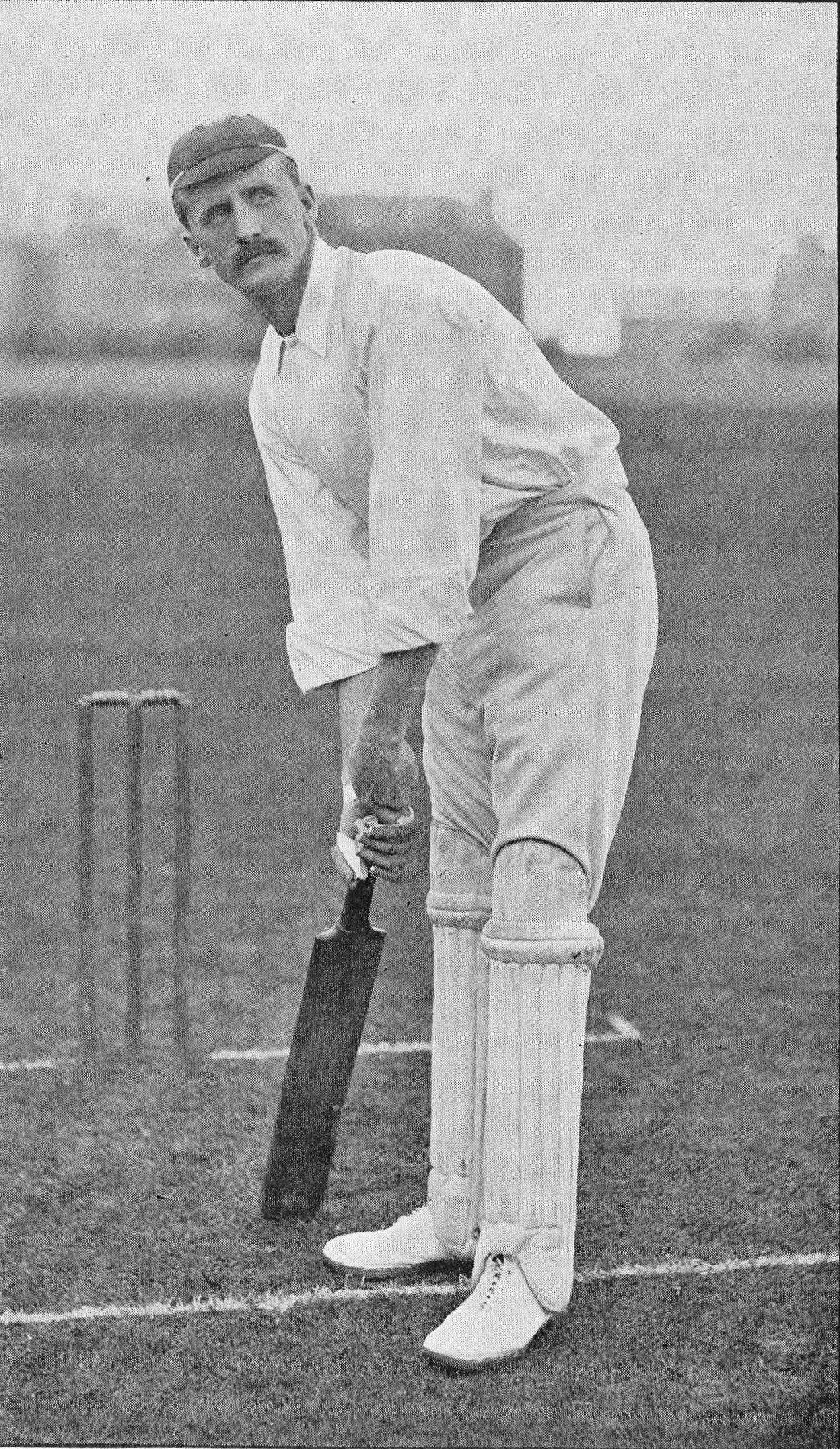
John Auger Dixon, 1897
John Auger Dixon was born in Grantham on 27th May 1861, the second of four children of William and Suzannah Dixon. The family lived on North Parade, before moving to Nottingham when John was around thirteen years old, but they retained a long-standing interest in Grantham through their business.
John was keen and talented sportsman who was recognized for his skills in both football and cricket.
He began his football career with the Corinthians, and later Nottingham County in the 1880s, and would go on to represent England against Wales in 1885.
This period was the time of the gentlemen sportsman, when high level competition was held on a strictly amateur basis, and so it is no surprise that the 1881 census records he was employed by Dixon and Parker as a warehouseman. He would work for the company throughout his life, eventually becoming Managing Director in 1913.
A knee injury he received in 1885 prevented any further footballing achievements but did not shrink his sporting ambitions.
In 1887 he began playing cricket for Nottingham CCC, and he went on to play for the club for 16 seasons, captaining the team between 1889 – 1899.
In 1889 he led the team to win the Championship, and he achieved his best season performance in 1897, during which he achieved a county record with an inning of 268 against Sussex.
He retired as a player in 1905 but would remain committed to the club for the remainder of his life.
In 1895 he had been invited to join the Nottingham CCC committee, and in 1910 was appointed as a life member.
On 25th October 1910 at the age of 49 he married 25-year-old Maude Hannington. The two would go on to have two children, Maude and Dorothy.
Following a successful career in both business and sport, John Auger Dixon died aged 70 on 8th June 1931, after a short illness, and is buried at Rock Cemetery in Nottingham.
In 1933, the Dixon memorial gate was installed at Trent Bridge in honor of his more than 50 years involvement with the club. In 1959 a memorial hall was added in his memory.
The Olympian
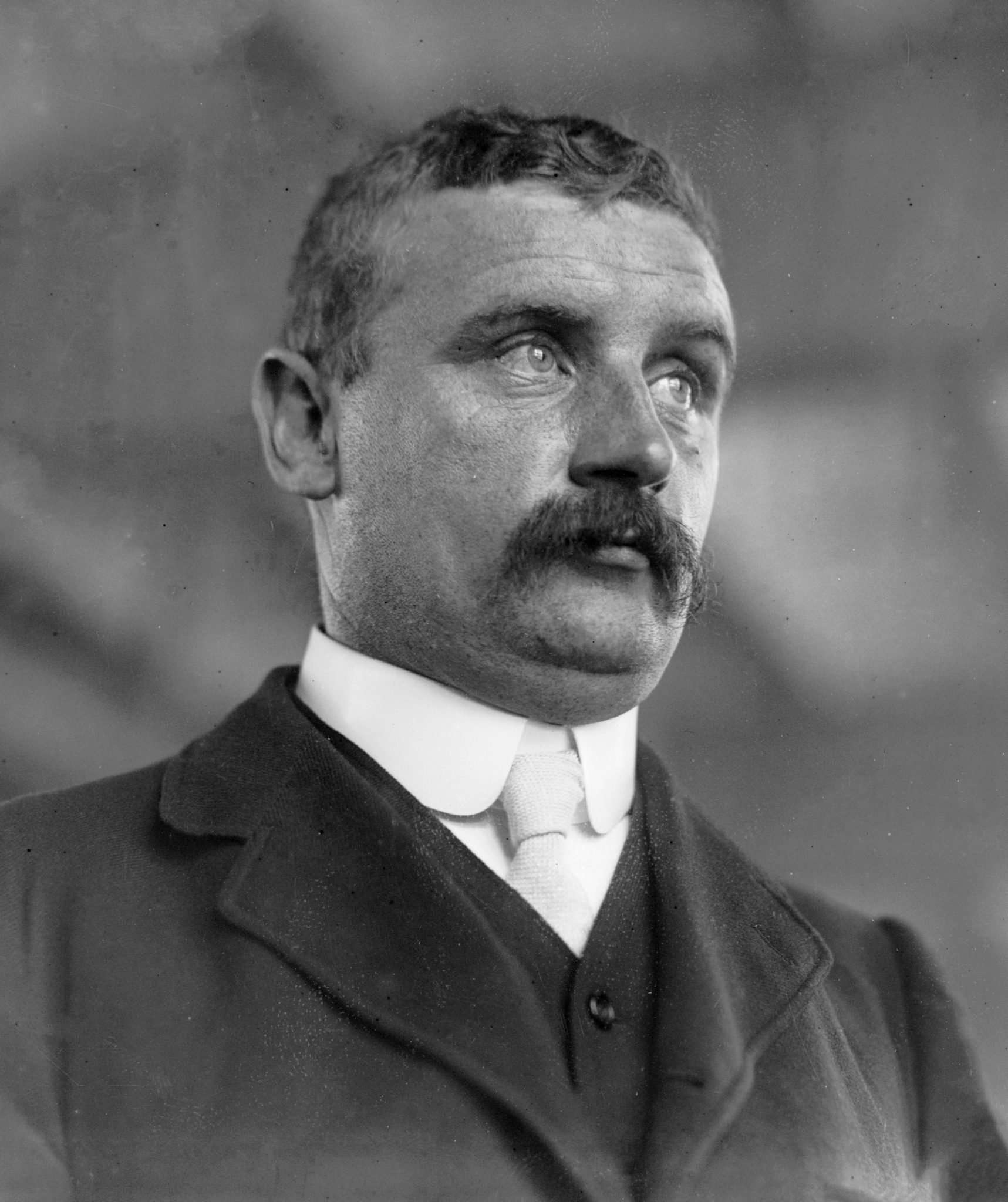
Charles Percy Dixon
In the years before the outbreak of the first world war, as John was standing back from sport and taking over the family business, his younger brother Charles Percy was becoming a rising star in the world of Tennis
Charles Percy Dixon was born in 1873, and like his older brother before him showed an interest in sport as a young man, and in particular lawn tennis.
He reached his first Wimbledon final in 1901, and though unsuccessful at that attempt it would prove the start of a successful Wimbledon career.
Following a Bronze medal at the 1908 Olympics in London, he went on to Captain Britain’s Davis Cup team between 1909 -1912. He led the team to victory in 1911 against Australia and 1912 against the USA.
In 1912 he again represented Great Britain at the summer Olympics, this time in Stockholm.
Over the course of the seven days between the 5th – 12th May he secured three medals in indoor tennis, winning a second career Bronze Medal in the Men’s Doubles with partner Alfred Beamish, a Silver Medal in the Men’s Singles, and a Gold Medal in the Mixed doubles with partner Edith Hannan.
Charles, along with many of the competitors from Stockholm, reconvened at Wimbledon that July where he became Men’s Doubles Champion along with Herbert Roper Barrett.
The following year, aged 40, Charles successfully defended his Double’s Championship title alongside Roper Barrett.
Like his brother John, Charles competed as an amateur, he had studied Law at Clare College Cambridge and worked professionally as a solicitor.
As competitive sport began to reemerge following the First World War, Charles continued to play and represented the International Club of Great Britain in competition against France.
He retired from competition in 1933 but continued his involvement in the sport as a coach and umpire.
When Charles died on 29th April 1939 aged just 66; his death was reported in the New York Times.
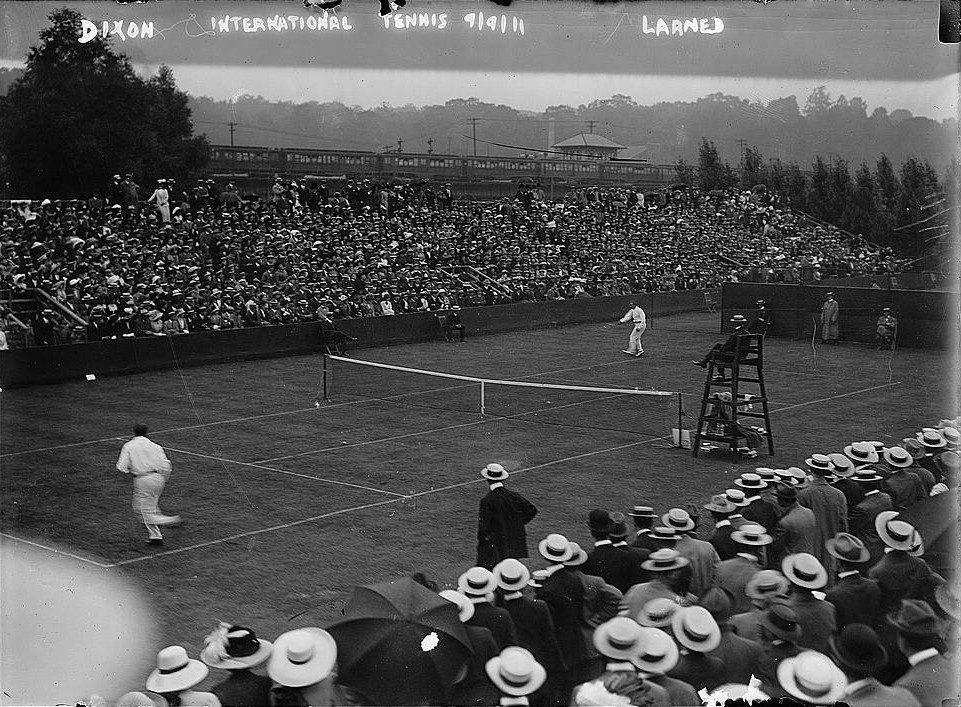
Dixon vs Larned International Tennis Match